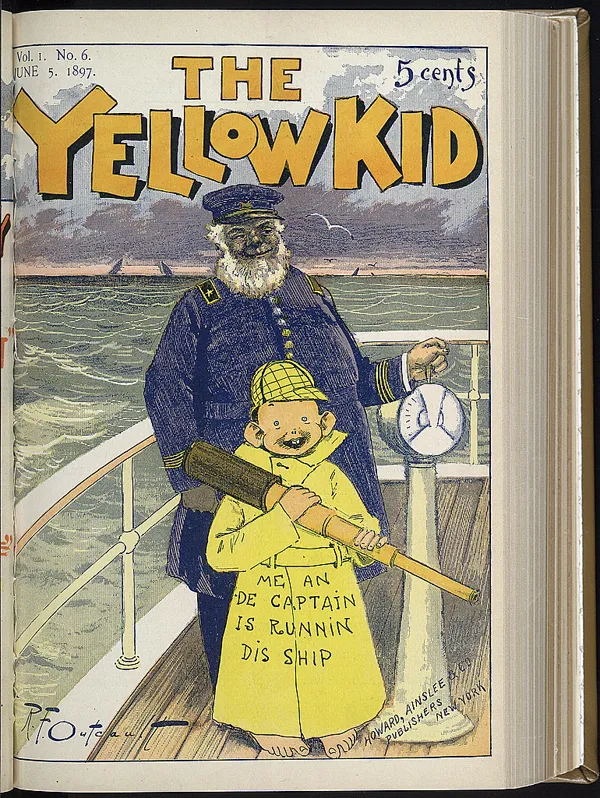
Richard F. Outcault
Recurring characters, color printing and the newspaper strip as mass attraction.

The proprietor's reference room
The American comic book, how it was made, and the people who taught ink to move.
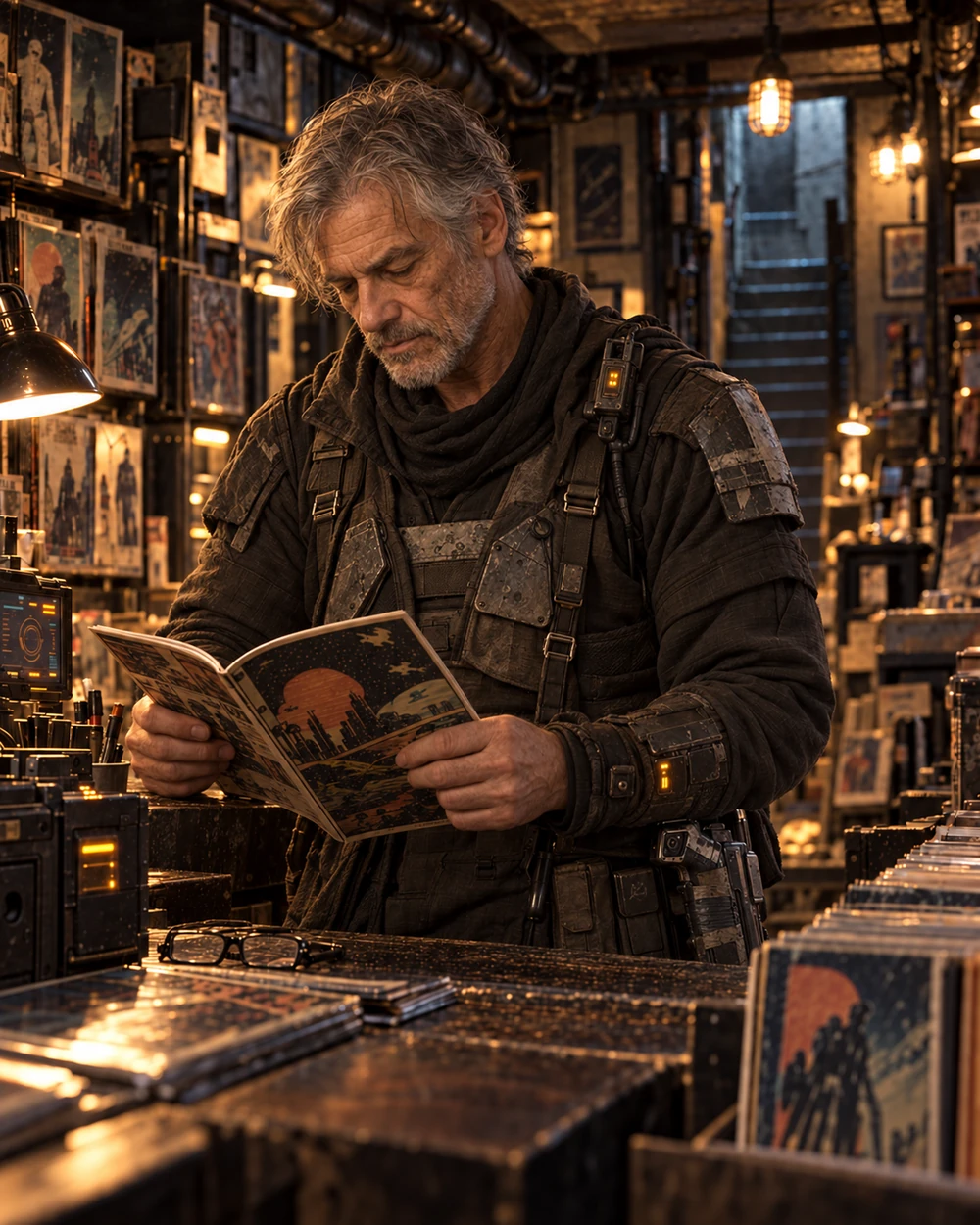
The man behind the counter
Nobody knows when Vale took over The Gutter. City property records list seven previous owners. Every signature is his.
He says he met Racon Gunner beyond the Perseus Gate, aboard a dead survey station whose library was being fed into the furnace for heat. Racon saved the crew. Vale saved the funny books. They have traded stories ever since.
The neighborhood insists Vale died in the shop years ago. He opened at noon the next day. Ask him about it and he adjusts his glasses and says he was cataloged incorrectly.
“Nothing stays dead if somebody remembers the page.”— Elias Vale, proprietor
Original shop guides
Not encyclopedia entries. These are guided walks through the machinery: what changed, who made it change, and what to look for on the page.
How newspapers, reprints and newsstands turned sequential pictures into a mass American form.
FILE 002Short stories with ruthless structure, unforgettable endings and artists trusted to draw like themselves.
FILE 003The hearings, the panic and the industry code that redrew what American comic books could say.
FILE 004Foreshortening, impact, machinery and the compositional force behind a universe of American comics.
FILE 005Why the blank between panels is not empty, and how cartoonists make the reader finish the action.
FILE 006When specialty shops and nonreturnable orders changed what could survive on the rack.
On the light table
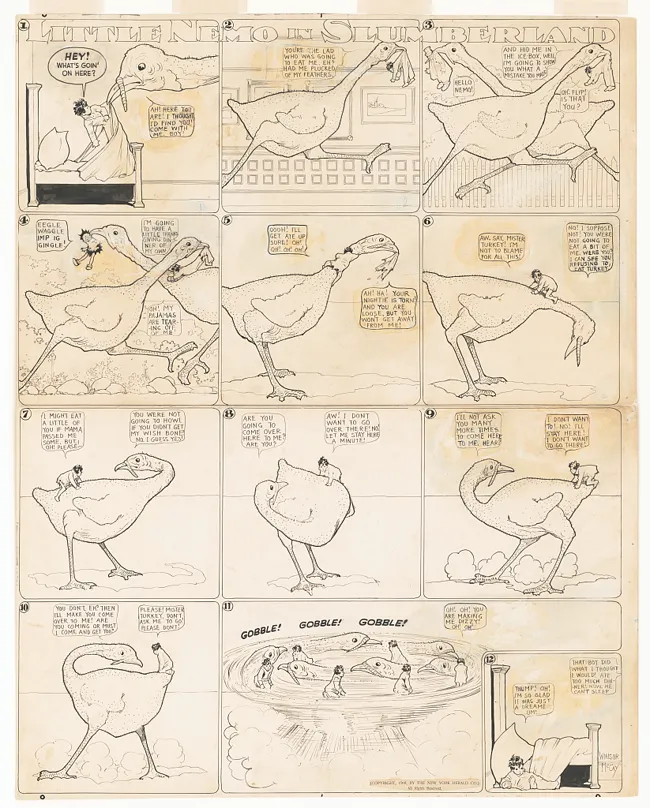
Original pages and period printing tell you things a summary cannot. These files are reproduced from the Library of Congress and carry no known restrictions on publication.
Artists on the wall
Not a ranking. A working lineage of the essential hands whose solutions became part of the language. The screening room below puts their pages and voices on the wall.
Recurring characters, color printing and the newspaper strip as mass attraction.
Dream architecture, scale and pages designed as complete visual events.
Poetry, elastic geography and a comic strip that remade its world every day.
Classical drawing, pageantry and sustained adventure storytelling at monumental scale.
Brush line, heroic anatomy and speed that defined the look of American adventure.
The editor who recognized Superman, helped shape early DC and drew with the directness of a born cartoonist.
Staging, shadow and adventure-strip continuity built with cinematic clarity.
Character, geography and comic engineering so exact that readers found the artist behind the ducks.
Draftsmanship, dialect, political wit and swamp characters that moved like actors.
The page as environment, expressive lettering and stories about ordinary city lives.
Velocity, impact and cosmic machinery driven by fearless composition.
Brush economy, physical storytelling and a lifetime spent teaching the work.
Nervous movement, strange geometry and moral pressure made visible in every pose.
Research, breakdowns and total control of a short story's beat.
Light, texture, technology and densely convincing worlds.
Elastic acting, speed and grotesque comedy from EC horror to American advertising.
Controlled ugliness, stippled volume and designs nobody else could have imagined.
Clean suspense staging and ruthless covers built for the split second at the newsstand.
Radical clarity: remove whatever does not make the story read.
Anatomy in flight, open compositions and the most articulate page-to-page motion of his generation.
Smoke, shadow and cinematic movement drawn as if the figures were caught mid-breath.
Classical figure drawing and muscular clarity built for superheroes, barbarians and everything between.
Pop art, cinema, graphic design and controlled shock compressed into the comic-book page.
Naturalism, dramatic lenses and a new physical intensity for superhero pages.
Comics, paperback covers and painted fantasy fused into raw weight, motion and myth.
Horror anatomy, pen texture and black-and-white atmosphere pushed to obsessive beauty.
A few lines, exact timing and the emotional weather of ordinary American life.
Character comedy, long-form improvisation and the indestructible human engine called Popeye.
Adventure pacing, sound, dry-brush atmosphere and the visual grammar Caniff and Toth inherited.
Plastic anatomy, graphic invention and manic page design held together by absolute control.
Luminous adventure drawing descended from Raymond and sharpened in the EC science-fiction books.
Angular speed, graphic rhythm and the clean restart that made the Silver Age move.
The humane, lucid Superman artist whose quiet command defined the character for decades.
Romance polish, physical acting and a definitive human warmth for Spider-Man's world.
Caricature, likeness and performance staged with the discipline of a film director.
Silent comedy, microscopic observation and more visual ideas per inch than anyone else in the room.
Underground confession, cross-hatched weight and the beautiful unease of an unfiltered hand.
From kinetic superhero pages to ornamental draftsmanship and fiercely personal long-form work.
Brutal silhouettes, unforgettable villains and crime continuity engineered like a trap.
The bold, direct drawing that gave Superman a body, a city and the first visual grammar of the superhero.
Clear cartoon drawing, mythic simplicity and the definitive visual world of the original Captain Marvel.
Fluid anatomy, underwater atmosphere and the hard-edged strangeness of the Sub-Mariner.
Material accuracy, cinematic staging and war comics drawn with unnerving physical truth.
Hard noir silhouettes, elastic pacing and a stripped-down attack that changed American action comics.
Three shelves that mattered
Not just logos. Each one built a recognizable way of telling, selling and surviving.
Gaines, Feldstein, Kurtzman and a murderers' row of artists turned short genre stories into precision mechanisms.
Visual parody with research underneath it: Kurtzman's control, Feldstein's long run and generations trained to distrust the sales pitch.
Casper, Richie Rich, Hot Stuff and an industrial command of clean characters, instant situations and all-ages readability.
Master files
Not biographies pasted onto a wall. Each file isolates the visual decisions a working cartoonist can study: light, black, anatomy, motion, machinery and the pressure of the next panel.
 File 007 · Wally Wood
Light and MachineryHow black shapes, hard light and believable technology make the impossible feel engineered.Open the master file →
File 007 · Wally Wood
Light and MachineryHow black shapes, hard light and believable technology make the impossible feel engineered.Open the master file →
 File 008 · Alex Raymond
Line and VelocityHow anatomy, brush line and staging gave American adventure strips their elegance and speed.Open the master file →
File 008 · Alex Raymond
Line and VelocityHow anatomy, brush line and staging gave American adventure strips their elegance and speed.Open the master file →
Screening room
Documentaries, creator interviews and close looks at original art. The first reel explains the room; the master shelf follows the indispensable hands. Nothing autoplays; press any poster to open the real program on YouTube.
No film matches that name or topic.
Jesse J. Holland and Megan Halsband explore the Library's western, romance, education, funny-animal and other non-superhero comic collections.
Watch on YouTube ↗A close look at Steve Ditko and Stan Lee's original Amazing Fantasy pages, including visible editorial changes and design decisions.
Watch on YouTube ↗Paul Levitz and Dan Jurgens discuss superhero history, the writers and artists behind the work, and DC's place in the American form.
Watch on YouTube ↗A focused account of Harvey Kurtzman's editing, layouts, war stories and the original comic-book version of MAD.
Watch on YouTube ↗A long look at Wood's pages, his rendering, storytelling and the visual density that made his science fiction feel inhabited.
Watch on YouTube ↗Close reading of the draftsmanship, brush control and heroic figure language Raymond carried from Flash Gordon into the wider American form.
Watch on YouTube ↗A compact orientation to Eisner's career, The Spirit, expressive page design and his role in arguing for the graphic novel.
Watch on YouTube ↗Miller and Dan DiDio discuss influence, editing and the creative relationships behind the launch of Frank Miller Presents.
Watch on YouTube ↗A broad, accessible look at the magazine's artists, visual parody and stubborn place in American culture.
Watch on YouTube ↗The shop favors the artist's own voice, original-page study and substantial histories. This is a core canon, not a closed club; a new name earns a place when the work proves it.
A visual introduction to the color newspaper phenomenon at the start of the American form.
Watch on YouTube ↗A long look at the invention, page architecture and impossible dream logic of Little Nemo.
Watch on YouTube ↗Why Herriman's changing landscapes, language and timing still feel formally fearless.
Watch on YouTube ↗The classical drawing and sustained pageantry behind Tarzan and Prince Valiant.
Watch on YouTube ↗A substantial visual biography of the artist who taught the adventure strip to stage with shadow.
Watch on YouTube ↗A compact route into the cartooning of the editor who also helped put Superman on the rack.
Watch on YouTube ↗How anonymous Disney comics led readers to identify one extraordinary cartoonist by the work alone.
Watch on YouTube ↗A working artist studies Kelly's acting, line and design in Pogo.
Watch on YouTube ↗Kirby speaks about the cosmic comics, the Fourth World and the history he helped make.
Watch on YouTube ↗Jonathan Ross traces Ditko's art, characters, privacy and uncompromising ideas.
Watch on YouTube ↗Kubert on a working life in comics, the page and the craft he later taught.
Watch on YouTube ↗Rare footage of Davis at work, showing the loose speed behind the apparent chaos.
Watch on YouTube ↗Fifteen concentrated minutes on Wolverton's textures, distortions and singular design.
Watch on YouTube ↗A focused look at Craig's clean suspense, crime pages and unforgettable EC covers.
Watch on YouTube ↗A feature-length portrait of the master who made reduction, shape and clarity feel inevitable.
Watch on YouTube ↗A long interview with one of the sharpest thinkers ever to explain action, anatomy and the comic-book page.
Watch on YouTube ↗Buscema discusses the drawing, production and discipline behind his Marvel work.
Watch on YouTube ↗How Colan's shadows, movement and atmosphere made Tomb of Dracula breathe.
Watch on YouTube ↗Two hours with Steranko on comics, escape art, music, design and the short career that changed the page.
Watch on YouTube ↗Adams on Batman, Continuity, creators' rights and the realism that jolted superhero comics awake.
Watch on YouTube ↗The full documentary on the artist whose comics and paperback paintings gave fantasy physical weight.
Watch on YouTube ↗A close reading of Wrightson's Creepy and Eerie work, textures and horror staging.
Watch on YouTube ↗A concise film on the discipline, simplicity and emotional truth behind Peanuts.
Watch on YouTube ↗A visual introduction to the wild character machinery that produced Popeye.
Watch on YouTube ↗The adventure-strip innovator behind dry brush, noise, speed and modern visual pacing.
Watch on YouTube ↗The elastic drawing, design intelligence and manic control behind Plastic Man.
Watch on YouTube ↗Raymond's adventure tradition carried through EC science fiction and decades of immaculate drawing.
Watch on YouTube ↗Infantino on the angular motion, page design and editorial work that shaped DC's Silver Age.
Watch on YouTube ↗A full program on the clear, humane artist who defined Superman for generations.
Watch on YouTube ↗Romita on romance comics, Marvel production and the warmth he brought to Spider-Man.
Watch on YouTube ↗Drucker's caricature, acting and film-parody staging examined by the cartoonists who knew the work.
Watch on YouTube ↗Nearly two hours on MAD, Groo, silent comedy and a lifetime of drawing everywhere.
Watch on YouTube ↗Crumb on drawing, discomfort and the unfiltered personal current that powered underground comix.
Watch on YouTube ↗A sustained look at the evolution from early Marvel energy to dense, ornamental draftsmanship.
Watch on YouTube ↗The villains, graphic brutality and long-running crime machinery of Gould's newspaper strip.
Watch on YouTube ↗The long story of Superman includes the young artist who first made the impossible hero visible.
Watch on YouTube ↗A close look at the lucid cartoon world that made the original Captain Marvel sing.
Watch on YouTube ↗A profile of the early comic-book pioneer whose antihero arrived before Marvel had its name.
Watch on YouTube ↗The gritty, beautiful war and western drawing of a master who made every object feel used.
Watch on YouTube ↗Open files
Primary records first, serious archives second, good shop talk after that. Every outbound source is labeled.
The best institutional doorway into American comics collections, databases and digitized primary material.
Enter the guide ↗A visual path from early newspaper strips through superheroes, undergrounds and contemporary work.
Visit the exhibition ↗The world's largest collection of materials related to cartoons and comics, with strong exhibits and research tools.
Open the archive ↗Scans of researched public-domain Golden Age comic books. The actual pages, not somebody's summary.
Read the collection ↗Comic books, strips, pulps and fanzines with a broad historical range and free access.
Browse the shelves ↗Credits, issues, features and publication data. Essential for finding who actually did the work.
Search the database ↗A deep issue-and-creator index for Timely, Atlas and Marvel's early history.
Open Atlas Tales ↗Biography, research and preservation centered on the life and work of Jack Kirby.
Read the biography ↗National Archives context for the three days of hearings on crime and horror comic books.
Read the record ↗A collection spanning the late 1940s through 1978, strong on the movement's 1968–74 period.
View the finding aid ↗Specialists examine Ditko and Lee's original art and the decisions visible in the physical pages.
Watch at LOC ↗A long historical conversation anchored in one publisher's enormous American footprint.
Watch at LOC ↗Page-by-page looking, production knowledge and long interviews. Best approached with a comic open beside you.
Visit the channel ↗Accessible creator, publisher and genre histories with enough specificity to send you toward the originals.
Visit the channel ↗Close readings of how page design, transitions and visual choices make comics work.
Visit the channel ↗Decades of long creator interviews and serious criticism, including conversations recorded close to the work's original moment.
Read archive highlights ↗Features and interviews devoted to cartooning history, especially American newspaper strips and classic creators.
Read the features ↗Posts grounded in manuscript collections, including original records connected to American comic-book creators and publishers.
Open the history files ↗A useful bibliography for moving from an online introduction to book-length research.
Browse the bibliography ↗The titles themselves: Educational Comics, the New Trend, the New Direction, Picto-Fiction and the original MAD.
Open the EC files ↗More than seven thousand indexed issues across humor, horror, romance and the children's line that dominated spinner racks.
Search Harvey's output ↗Editor, cartoonist, early DC architect and the man who pushed Superman toward Action Comics.
Read the Hall of Fame file ↗From Harvey's Spyman to the graphic detonations of Nick Fury, traced through the official Hall of Fame record.
Read the Hall of Fame file ↗Eisner discusses the form in his own voice: long narrative, the page, the city and what comics can carry.
Watch at LOC ↗Harvey Kurtzman's method, career and enormous influence on American satire and visual storytelling.
Watch on YouTube ↗A direct route to Wood's biography, bibliography and estate archive, paired with the shop's new craft file.
Open the estate archive ↗Close commentary on Wood's pages, rendering, science-fiction design and storytelling choices.
Watch on YouTube ↗The official Hall of Fame record for the creator of Flash Gordon, Jungle Jim, Secret Agent X-9 and Rip Kirby.
Read the Hall of Fame file ↗Page-level commentary on Raymond's anatomy, brush line, staging and influence on heroic adventure art.
Watch on YouTube ↗
A fast creator history covering The Spirit, expressive page design and the graphic novel.
Watch on YouTube ↗
Miller and Dan DiDio discuss influence, collaboration and the creative logic behind Frank Miller Presents.
Watch on YouTube ↗
A concise magazine history with creators, art and cultural context.
Watch on YouTube ↗
A feature-length documentary on the magazine's history and influence. Rental or purchase availability may vary by region.
Open the documentary ↗Jonny Harvey, grandson of Leon Harvey, discusses the family publisher's history in a long-form interview.
Watch the interview ↗No files match that search. Try an artist, era, publisher or craft term.
Books behind the register
Recommendations with a use, not a prestige list. These links lead to publishers or institutions, not affiliate storefronts.

A propulsive account of the 1950s scare, the people who made the books and the damage done by the crackdown.
Best for: understanding why 1954 is a fault line.
Publisher page ↗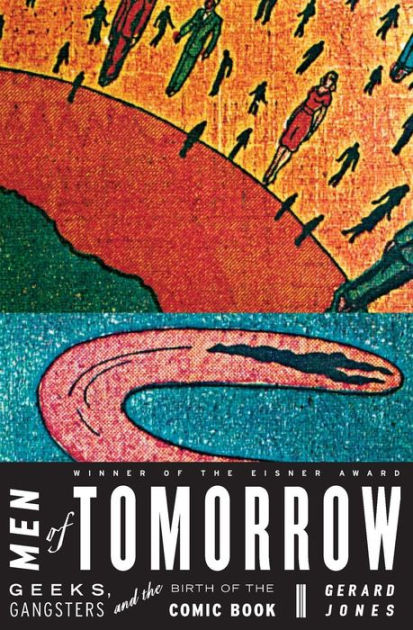
The ambitions, bargains and personalities behind the birth of the superhero business.
Best for: seeing art and commerce arrive together.
Publisher page ↗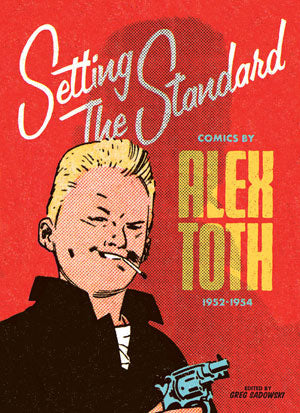
A working education in clarity, shape and staging delivered through Toth's own pages.
Best for: artists who need to learn what to leave out.
Publisher page ↗
Essays on how American comic books participated in and reflected the Second World War.
Best for: connecting genre pages to a national moment.
Publisher page ↗A broad multi-volume reference focused on American comics, useful when a name, title or movement needs a reliable first orientation.
Best for: lookup before deeper research.
Publisher page ↗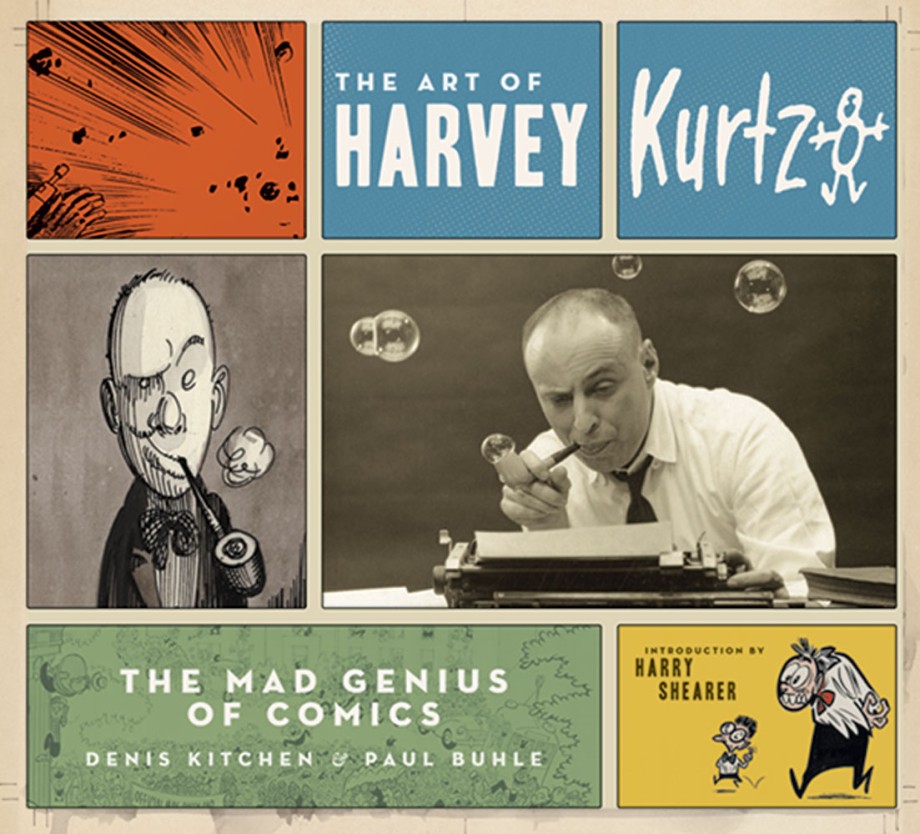
An authorized visual biography built from finished work, layouts, correspondence and the Kurtzman archives.
Best for: seeing how MAD, the war books and Kurtzman's editing method fit together.
Publisher page ↗Foreign currents, American synthesis
American comics are the spine of this archive. That does not mean the borders were sealed. By the early 1980s, Frank Miller was pulling lessons from Goseki Kojima's Lone Wolf and Cub and Moebius into Ronin. British creators formed in and around 2000 AD soon crossed into American publishing and helped change its tone, structure and audience.
Those stories belong here when the exchange changes the American page. They do not replace the history that came before them.
Read the shop note: When other traditions hit the American page →How this shelf is built
Original pages before received wisdom. We favor digitized comics, original art, creator interviews, institutional collections, contemporary records and careful scholarship. Every guide separates what the record proves from what fans have repeated.
No content treadmill. This is a curated reference room, expanded when there is something worth adding. It is designed for readers and creators first; semantic HTML, descriptive titles, structured data and source trails make it legible to search and answer engines without flattening it into SEO filler.
Living shelf. Links can die and scholarship can improve. Each research pass gets a checked date. Corrections are part of the work.